

Budgeting and Commercial Relocation Project Management
Relocating a business is typically an exciting step toward growth, efficiency, or better opportunities. However, many companies underestimate the true cost of moving, leading to budget overruns and unexpected expenses. Beyond the obvious costs—such as hiring a commercial movers and leasing a new space—there are several hidden costs that can disrupt your financial planning. Unless you’re working with a commercial relocation project management company, these unexpected costs have a way of running away on you. Let’s go over some of the overlooked expenses to consider when budgeting for a commercial move and how working with a commercial relocation project management company can help mitigate financial risk
Downtime and Productivity Loss
So, let’s start with the obvious- moving downtime. Even the most well-planned relocations involve some level of disruption, and that’s totally fine. Your employees may need time to pack, adjust to the new space, and set up equipment. IT systems might be offline for a period, and normal operations could slow down. However, lost productivity can translate into overall revenue loss, so it’s crucial to plan ahead so things are as organized as possible to reduce the amount of downtime actually incurred during a relocation.
As a commercial relocation project management company, we’ve worked in dozens of different industries and have executed all kinds of different commercial relocations swiftly and on budget. We’ll let you in on a little secret: planning is half the battle. Don’t just start packing your boxes and expect things will fall into place. A detailed commercial moving plan is the first step in a successful and cost-effective relocation.
The Bread and Butter of a Detailed Moving Plan: Create a comprehensive timeline outlining key tasks and deadlines. Assign responsibilities to internal teams and external vendors to ensure accountability. Conduct risk assessments to identify potential disruptions and develop contingency plans.
Communication Fallouts
Effective communication is the backbone of any smooth relocation. Keeping everyone in the loop reduces confusion and helps build confidence. A solid communication plan ensures that key information reaches the right people at the right time, and it helps address concerns before they become bigger problems.
Here’s what your communication plan should include:
- Regular updates for staff and stakeholders
- Clear channels for questions and concerns
- Briefings or newsletters to keep everyone informed
- Include detailed packing guidelines and schedules
- Conduct regular status updates via email, meetings, or a move-specific communication channel
- Offer training or orientations on new office layouts, technology, or procedures before the move
Consider setting up a dedicated internal team to share updates and provide a central place for all relevant information.
IT and Infrastructure Setup
Setting up internet, phone lines, and IT infrastructure in the new location isn’t just a matter of plugging things in. Many companies need new networking equipment, additional cabling, or upgraded security systems. If your business relies heavily on technology, factor in the costs of hiring IT professionals to ensure a smooth transition.

One of the best parts of working with an experienced commercial relocation project management team is our network of trusted vendors. No waiting on the phone to be connected with a rep to schedule a service time and praying someone actually shows up. We have the relationships already in place to ensure your IT infrastructure is up and running as soon as the keys are in your hands.
In order to mitigate downtime and lost productivity, our commercial relocation project managers take extra steps, some of which are:
- Pre-installing internet, phone systems, and IT infrastructure at the new location before employees arrive
- Working 1:1 with IT specialists on your behalf to ensure a seamless data migration and prevent system downtime
- Creating a backup plan for critical business applications in case of unexpected technical issues
Lease or Permit-Related Costs
This one’s a doozy. Unfortunately, exiting your current lease may come with unforeseen fees. Many commercial leases require businesses to restore the space to its original condition, which can mean repainting walls, removing fixtures, or repairing any damage. Additionally, if your lease doesn’t expire at the time of your move, you may need to pay an early termination fee or cover rent for the remaining months.
Additionally, depending on your industry and location, your new space may require permits or modifications to meet safety codes, zoning laws, or industry regulations. This could include accessibility upgrades, fire safety improvements, or specific renovations to meet business needs. Ensuring compliance from the start can help you avoid costly fines or last-minute expenses.
Luckily, we’ve seen it all here at Pivotal. Things rarely shock us anymore because we’ve truly been through hundreds of moves and dealt with thousands of moving pieces. We know what to look out for and how to handle these issues if they arise. Commercial relocation project management companies are a bit like consultants in that way.
Schedule Delays
It is only natural that if one thing falls out of place, it has a domino effect on the entire relocation plan. This can cause unforeseen 3rd party scheduling conflicts, staffing concerns, and of course, negative budget implications. Thankfully, planning for delays and working the “what-ifs” into your commercial moving plan can drastically reduce this risk.
Tip from the pros: One really effective way to reduce downtime during a commercial relocation is to plan the move outside business hours (e.g., evenings, weekends, or holidays) to reduce disruptions. This means organizing a phased move where teams relocate in stages instead of all at once. Many times, we’ve used a temporary workspace or remote work solutions to maintain operations during the transition.
This strategy is especially effective for large commercial moves where individuals may be able to work from home or off-site for a short period of time and allow the commercial relocation project management team to execute the tough stuff. Then, your staff will essentially just arrive at their new desk at their new office without disruption.
Commercial Relocations – Mastering Your Budget
The bottom line is that, if you want it done right, hire a team with the experience to make it happen. Working with professional commercial movers comes with the perks of having a moving company, a strategic director, a contractor, and an assistant all rolled into one.
At Pivotal Project Management, we specialize in secure, compliant, and budget-conscious moves, ensuring that your company is protected throughout the relocation. We manage every aspect of your move with an unwavering attention to detail and minimize downtime with our prompt and precise approach. Whether you’re relocating locally or across the country, we’re here to help make your transition smooth from start to finish.
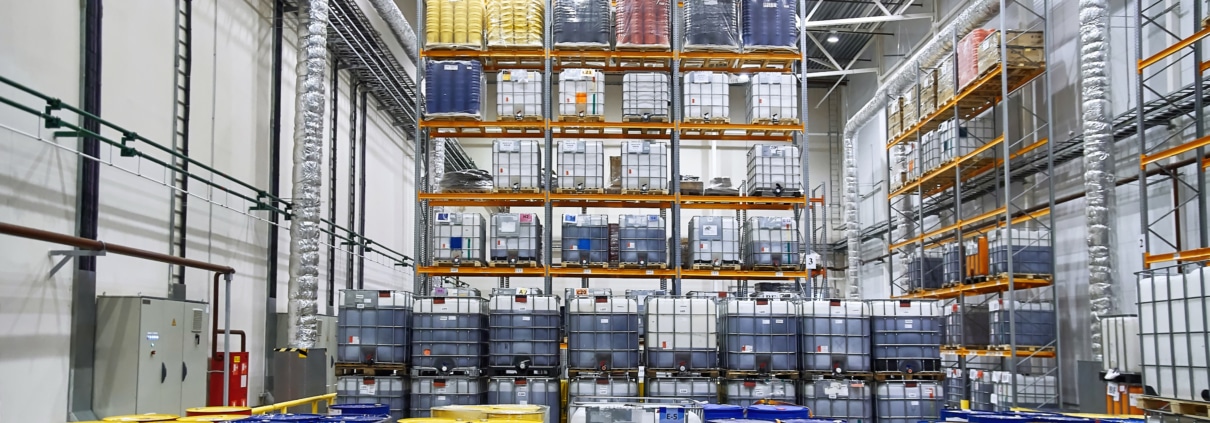
Relocating a chemical plant is not just a logistical challenge—it’s a high-stakes undertaking where a single misstep can trigger a cascade of regulatory violations, operational downtime, and even catastrophic safety incidents.

Relocating a business is typically an exciting step toward growth, efficiency, or better opportunities. However, many companies underestimate the true cost of moving, leading to budget overruns and unexpected expenses.

A warehouse move involves more than logistics—it demands careful planning and strategic execution. Learn the steps to set yourself up for success.